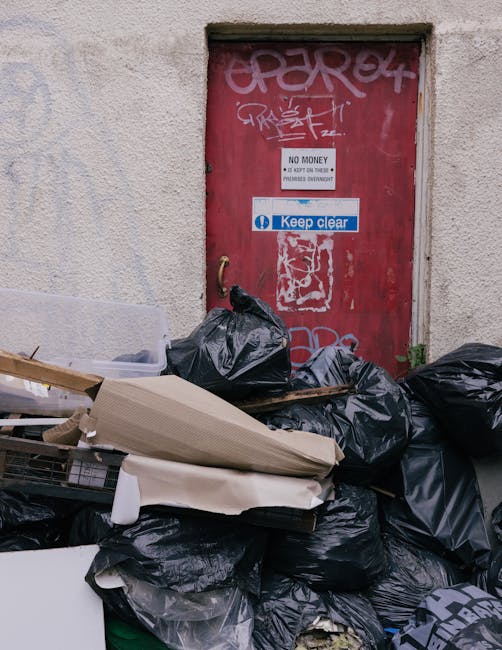
Rubbish Clearance Tips for Kentish Town Residents Near Tube
If you live in Kentish Town and you are trying to shift rubbish without turning the street into a hassle, you are not alone. Tight pavements, busy road access, stair-heavy flats, and Tube-side foot traffic can make even a simple clear-out feel oddly complicated. These Rubbish Clearance Tips for Kentish Town Residents Near Tube are designed to help you plan smarter, move faster, and avoid the usual headaches.
Whether you are clearing a flat near Kentish Town station, emptying a loft, or finally dealing with that pile of old furniture in the hallway, the basics are the same: sort properly, choose the right disposal route, and think ahead about access. Sounds simple. In practice, a little local know-how goes a long way.
In this guide, you will find practical steps, common mistakes, timing advice, compliance pointers, and a realistic comparison of clearance options. There is no fluff here, just the sort of advice that saves time on the day and a bit of stress later. And let's face it, nobody needs an extra headache when the bins are already full.
Why Rubbish Clearance Tips for Kentish Town Residents Near Tube Matters
Tube-adjacent living changes the whole equation. In a quieter street, you may be able to leave items neatly outside for collection, or move bags out over a longer period. Near Kentish Town Tube, though, you are dealing with shared entrances, narrow frontages, busier footfall, and sometimes limited parking. That means rubbish clearance is not just about "getting rid of stuff"; it is about doing it without creating obstruction, mess, or neighbour friction.
There is also the practical side. A mattress leaning against a wall on a busy morning can become a nuisance fast. A split black bag is worse. Wet cardboard, loose screws, broken glass, and dusty loft debris can all spread around if they are not handled properly. You notice this most on damp days, when everything clings, smells a bit musty, and suddenly the job feels twice as big.
Good clearance habits matter because they protect:
- your time, by reducing multiple trips
- your budget, by preventing avoidable disposal mistakes
- your neighbours, by keeping shared spaces clear
- your safety, especially when lifting bulky items down stairs
- the environment, by making it easier to separate recyclable materials
For residents in flats, mansion blocks, converted houses, and homes close to the station, a tidy plan also helps avoid awkward conversations with building managers. To be fair, nobody wants to be the person who left a sofa in the wrong place for a whole afternoon.
How Rubbish Clearance Tips for Kentish Town Residents Near Tube Works
The phrase sounds straightforward, but the process usually has several moving parts. First, you identify what needs clearing. Then you separate items into categories: general rubbish, reusable goods, recyclable material, bulky waste, and anything that needs specialist handling. After that comes access planning: where will the vehicle park, how far will items need to be carried, and are there steps, lifts, or tight corridors to deal with?
That access question is especially important near the Tube. In busy parts of Kentish Town, the best clearance plan is usually the one that creates the least disruption. You may need to work around school runs, commuter times, delivery vans, and local traffic. A 20-minute collection window can become 40 minutes if you have not thought through where the truck can actually stop.
Typical rubbish clearance involves one of three approaches:
- Self-clearance - you sort and transport the waste yourself.
- Skip-style removal - useful for large projects, though space and permits can be an issue.
- Man-and-van or full clearance service - a team collects the items, loads them, and takes them away in one visit.
For many Tube-area residents, the third option is the most practical because it reduces lifting, saves parking stress, and works better in compact streets. If you are clearing a whole property, a service like flat clearance or house clearance can be far more manageable than piecing the job together over a weekend. If the job is more targeted, furniture disposal or waste removal may be enough.
Key Benefits and Practical Advantages
Done well, rubbish clearance is not just tidying. It changes how a property feels and functions. You gain space, yes, but also a clearer sense of control. A spare room stops feeling like a storage overflow zone. A hallway becomes passable again. The mental effect is real, even if people do not always say it out loud.
Here are the main benefits residents notice:
- Faster living-space recovery - especially useful in smaller Kentish Town flats where every square metre counts.
- Less disruption - a planned clearance is quieter and less messy than a drawn-out DIY job.
- Better recycling outcomes - separating items properly makes reuse and recycling easier.
- Reduced injury risk - bulky furniture and awkward bags are less likely to cause back strain when handled professionally.
- Cleaner shared areas - important in blocks where one person's mess becomes everyone's problem very quickly.
If you are preparing a property for letting, sale, refurbishment, or probate, the benefits are even clearer. A clean, empty property photographs better, is easier to inspect, and allows other work to start without delay. That is one of those practical details people only appreciate after they have spent an entire Saturday stepping around an old wardrobe. Not glamorous. Very real.
Expert summary: For residents near Kentish Town Tube, the best rubbish clearance approach is usually the one that combines good sorting, minimal street disruption, and a clear plan for bulky or awkward items. Small decisions before collection day often make the biggest difference.
Who This Is For and When It Makes Sense
This guide is useful for a wide mix of people. Some are clearing a single room. Others are dealing with an end-of-tenancy situation, inherited items, office clutter, or renovation debris. If you live or work near the Tube, you will probably recognise at least one of these scenarios.
- Flat tenants who need a quick, tidy way to remove unwanted items before moving out.
- Homeowners dealing with years of accumulated storage in lofts, garages, or spare rooms.
- Landlords and agents preparing a property for new occupants.
- Small businesses clearing office furniture, packaging, or old equipment.
- Builders and renovators needing responsible disposal of rubble, timber, or mixed debris.
It also makes sense if you have limited access, no lift, or just no desire to haul heavy items through a stairwell at 8:00 in the morning. A lot of people in Kentish Town live in properties where access is the real challenge, not the amount of waste itself.
If you are unsure what type of clearance you need, it helps to think in terms of space and item type. A cluttered loft points towards loft clearance. Garden waste is a different job altogether, and garden clearance is usually the better fit. A cluttered workspace? Look at office clearance. Simple as that, more or less.
Step-by-Step Guidance
If you want the smoothest result, do not start by lifting. Start by sorting. That one change saves a surprising amount of time.
- Walk the space first. Look at every item and decide whether it stays, goes, is donated, or needs special handling.
- Separate by category. Put furniture, electricals, general rubbish, and recyclable materials into different piles if possible.
- Check access. Measure doorways, stairs, lifts, and parking space. If you cannot get a sofa through a tight turn, better to know before collection day.
- Book the right type of clearance. Choose between a small removal, a larger property clearance, or a specialist service depending on the volume and item mix.
- Protect shared areas. Use old blankets, cardboard, or corner protection where needed, especially if items must pass through hallways.
- Keep unsafe items separate. Broken glass, sharp metal, and damp waste should not be mixed loosely with everything else.
- Confirm timing. Try to avoid the busiest local periods if access is tight. Early morning can be quieter, though not always practical for everyone.
- Do a final sweep. Check cupboards, behind doors, under beds, and in the back of the storage area. People always miss something. Always.
If your clearance involves a full property or several large rooms, a more structured service such as home clearance can make the process easier. For mixed household contents, furniture clearance is useful when the main issue is bulky furniture rather than loose rubbish.
Expert Tips for Better Results
A few small decisions can make a big difference on the day. In our experience, the best jobs are the ones that look almost boring because they were planned properly. No drama. No last-minute treasure hunt for bin bags.
1. Plan around access, not just volume
Many people estimate rubbish by "how much there is." That matters, but access matters more in crowded London streets. A half-load with terrible access can be harder than a full load with easy loading.
2. Break bulky items down where safe
If a wardrobe, shelving unit, or bed frame can be dismantled safely, it often saves space and avoids damage to walls and bannisters. Just do not force it. If screws are hidden, parts are swollen, or the item is unstable, leave it intact and be cautious.
3. Keep paperwork and valuables out of the pile
This sounds obvious, yet it happens all the time. Drawers, sideboards, and old boxes can hide documents, chargers, keys, and sentimental things. Check twice before anything leaves the property.
4. Think about reuse before disposal
Not everything needs to be thrown away. Good-quality furniture may be suitable for reuse, and some items can be passed on if they are clean and intact. That is better for the environment and often easier than expected.
5. Use the job to reset the space properly
If you are already clearing an area, it is a good moment to wipe surfaces, inspect for damp or damage, and decide how the space will be used next. Otherwise, clutter has a way of creeping back in. It always does.
If you want a service that places recycling and responsible handling front and centre, it is worth reading about recycling and sustainability. That is especially relevant when your clear-out contains mixed materials rather than just one type of waste.
Common Mistakes to Avoid
Most clearance headaches come from avoidable missteps, not from the waste itself. Here are the ones we see most often.
- Leaving sorting until the last minute - this slows everything down and usually leads to rushed decisions.
- Assuming parking will work itself out - in Tube areas, parking can be the difference between a smooth collection and a frustrating wait.
- Mixing everything together - recyclable items, hazardous bits, and general rubbish should not all be treated the same.
- Underestimating stair access - a heavy item on a narrow landing can become awkward quickly.
- Forgetting building rules - some blocks have strict guidance on where waste can be left and when collections are allowed.
- Trying to lift too much alone - one overambitious carry, and the whole weekend can be ruined. Back pain has a rude way of reminding you.
Another common mistake is booking the wrong service. A pile of office chairs and monitors should not be handled the same way as a garage full of mixed household clutter. Matching the job to the right clearance type usually saves time and reduces unnecessary cost. If your space is commercial rather than domestic, business waste removal is a more suitable route than a general household clear-out.
Tools, Resources and Recommendations
You do not need a van full of specialist kit for a basic clear-out, but a few simple tools help:
- strong gloves
- heavy-duty refuse sacks
- labels or marker pens for sorting
- tape, string, or cable ties for bundling
- blankets or cardboard for protecting floors and corners
- a torch for lofts, cupboards, and darker storage spaces
- a measuring tape for checking furniture access
For residents close to the Tube, planning tools matter too. A rough list of items, a photo of the space, and a note on access can help you make a much better decision about the size and type of clearance needed. If you are comparing options, useful pages to review include pricing and quotes, insurance and safety, and about us if you want more background on how the service operates.
For certain jobs, specialist services are the better fit:
- Builders waste clearance for renovation rubble and site debris
- Garage clearance for mixed stored items, tools, and old household clutter
- Furniture disposal for worn-out sofas, tables, and other bulky pieces
- House clearance for larger or more complete property emptying
Law, Compliance, Standards, or Best Practice
For rubbish clearance, the safest rule is to handle waste responsibly and avoid leaving anything where it can obstruct others or create risk. If you use a professional service, it is sensible to expect appropriate handling of items, sensible segregation where possible, and care around property access. You do not need to become a compliance expert overnight, but a little awareness helps.
Best practice usually includes:
- keeping footways and shared entrances clear
- separating reusable, recyclable, and general waste where practical
- avoiding unsafe manual lifting
- making sure waste does not escape from bags or open containers
- checking any building-specific rules before collection day
If you are disposing of business waste, there can be additional expectations around duty of care, record-keeping, and correct handling. For that reason, commercial clients near Kentish Town Tube are often better served by a dedicated business waste removal approach rather than treating everything as domestic rubbish.
It is also worth noting that services should be clear about payment, safety, and terms. That is why pages such as payment and security, health and safety policy, and terms and conditions are useful reading before you commit. Not flashy, but useful. Very useful.
Options, Methods, or Comparison Table
Choosing the right clearance method depends on space, time, access, and how much heavy lifting you want to do yourself. Here is a straightforward comparison.
| Method | Best for | Pros | Watch-outs |
|---|---|---|---|
| Self-clearance | Small loads and flexible schedules | Can be low-cost if you already have transport | Time-consuming, physically demanding, and awkward in busy streets |
| Skip hire | Longer projects with consistent waste volume | Good for ongoing work, easy to fill gradually | Space constraints, access issues, and possible permit considerations |
| Man-and-van clearance | Bulky items and mixed rubbish in flats or houses | Fast, less lifting, practical for tight access | Less suited to very large, slow-moving renovation jobs |
| Full property clearance | Homes, probate, end-of-tenancy, or major decluttering | Most comprehensive, minimal effort from the resident | Needs clear planning and good item sorting if you want the best result |
For many Kentish Town residents, the sweet spot is a clearance option that can handle bulky items and mixed waste in one visit. That is where a service focused on flat clearance, home clearance, or house clearance becomes a practical choice rather than a luxury.
Case Study or Real-World Example
Here is a realistic example. A couple living near Kentish Town Tube had been storing renovation offcuts, an old wardrobe, broken shelving, and assorted bags of household rubbish in a spare room for months. Nothing dramatic. Just one of those rooms that becomes a holding bay and then, somehow, a permanent feature.
They started by sorting the contents into four groups: keep, donate, recycle, and remove. The wardrobe was dismantled because it would not fit neatly through the hallway otherwise. Smaller bits of timber were bundled together. Loose screws and sharp fragments were put into a separate container so they would not puncture bags. They also checked the building entrance and timed the collection for a quieter part of the day to reduce disruption.
The result was better than they expected. The room was cleared in one visit, the hallway stayed clean, and they did not have to make repeated trips down the stairs. Most importantly, they had a proper plan for the next step in the room rather than just pushing clutter into another corner. A simple job, really, but made much easier by planning ahead.
Practical Checklist
Use this checklist before you book or begin a rubbish clearance near Kentish Town Tube.
- Have you listed everything that needs to go?
- Have you separated items by type?
- Do any items need special handling because they are sharp, heavy, damp, or fragile?
- Have you checked access routes, stairways, lifts, and parking?
- Have you confirmed any building or neighbour restrictions?
- Do you know whether you need a general clearance, furniture disposal, office clearance, or builders waste clearance?
- Have you kept valuables, paperwork, and personal items aside?
- Have you compared service options and checked pricing and quote information?
- Have you thought about recycling and reuse where possible?
- Have you planned a quick final sweep after the items are removed?
If you can tick most of those off, you are already ahead of the game. Honestly, that is half the battle.
Conclusion
Rubbish clearance near Kentish Town Tube does not have to be stressful, but it does need a bit of planning. The main things to remember are simple: sort your items early, think about access, choose the right clearance method, and keep shared spaces clear. Once those basics are in place, the rest becomes much easier.
For many residents, the smartest route is the one that saves lifting, avoids parking chaos, and handles bulky or mixed waste in one go. If you are clearing a flat, a family home, a garage, or a workspace, the right approach can make the whole process feel surprisingly manageable. And that is a good feeling. Properly good, actually.
If you want to keep the process smooth from the start, review the service details, check the practical pages linked above, and make a clear list of what needs removing before you book anything. A little preparation now can save a lot of faffing later.
Get a free quote today and see how much you can save.
Sometimes the best progress is simply making space again, one sensible decision at a time.
Frequently Asked Questions
What is the best way to clear rubbish near Kentish Town Tube?
The best method usually depends on what you are removing and how easy access is. For bulky items or mixed waste in a flat or house, a professional clearance service is often the most practical option because it reduces lifting and works better in tight London streets.
Can I leave rubbish outside my property for collection?
Only if it is allowed by your building rules and local arrangements. In busy Tube-area streets, leaving bags or bulky items outside for too long can create obstruction or invite mess, so it is better to time it carefully and keep items secure.
How do I know whether I need furniture disposal or general waste removal?
If the main items are sofas, tables, wardrobes, or similar bulky pieces, furniture disposal is the better fit. If you have a broader mix of rubbish, packaging, small items, and general clutter, waste removal is usually more appropriate.
Is flat clearance suitable for smaller Kentish Town homes?
Yes. Flat clearance is often ideal for apartments, conversions, and smaller homes where access is tight and there may be stairs, narrow halls, or limited parking. It is usually designed with that kind of property in mind.
What should I sort out before a clearance team arrives?
Separate valuables, paperwork, and anything you want to keep. It also helps to group items by type, point out anything fragile or heavy, and make sure access routes are clear. A little sorting saves a lot of time later.
Can old office furniture be removed from a small workspace near the station?
Yes, and that is often one of the better uses for an office clearance service. Desks, chairs, cabinets, and similar items can usually be removed in a way that keeps disruption low for staff and neighbours.
What happens to recyclable items during rubbish clearance?
That depends on the type of waste and how it is sorted, but recyclable materials are generally separated where practical. If sustainability matters to you, it is worth asking about recycling and sustainability before you book.
Do I need a special service for builders waste?
If your rubbish includes rubble, plasterboard, timber offcuts, tiles, or other renovation debris, a builders waste clearance service is usually the safer and more suitable option than general domestic rubbish removal.
How can I avoid damage to walls and stairwells during clearance?
Use protective coverings where needed, dismantle bulky items safely if possible, and make sure the items are carried by people who can handle them properly. A clear route and good communication help a lot too.
Are there any documents I should check before booking?
It is sensible to review pricing and quotes, terms and conditions, payment and security, and health and safety information so you know what to expect. If you want to understand the company a bit better first, the about us page is useful too.
What if I have a full house to clear rather than just a few items?
A full house clearance is usually the most sensible route in that case. It is designed for larger clear-outs, probate situations, moving house, or major decluttering where a standard rubbish collection would be too limited.
How do I choose the right clearance option for my situation?
Start with three questions: what needs removing, how much access do you have, and how quickly do you want it done? Once you know those answers, it becomes much easier to match the job to the right service, whether that is garage clearance, loft clearance, furniture disposal, or a broader waste removal service.
Is it worth booking a clearance service for just one or two large items?
Often, yes. If the items are bulky, hard to carry, or awkward to fit through the property, a professional removal can be far easier than trying to shift them yourself. One sofa can be more trouble than six bin bags, to be fair.
What is the easiest first step if I feel overwhelmed?
Start with one room or one pile and sort it into keep, donate, recycle, and remove. Do not try to solve the whole property in one go. Once the first pile is under control, the rest usually feels much more manageable.